|
|

|
|
View in browser
|
Brainstorming
11/18/2025
|
|
IT’S TRAUMA TUESDAY is
a Free Weekly Newsletter
Brought to you by
TCAR
Education Programs
|
|
For nurses and other clinicians
practicing anywhere
along the trauma care
spectrum
|
|
|
|
|
|
Take a quick test of your trauma care
knowledge
|

|

|

|
|
|
|
Article of the Week
PSH in severe TBI
|

|
|
Paroxysmal sympathoexcitatory syndrome (PSH) can occur in patients with severe brain injury and presents as sudden surges in heart rate, blood pressure, respiratory rate, temperature, sweating, and abnormal posturing. Because it lacks standardized treatment guidelines, PSH is often underrecognized or mistaken for infection, pain, or withdrawal, which can delay appropriate interventions. This recent narrative review emphasizes the importance of accurate bedside assessment in distinguishing PSH episodes from other complications. Understanding the current evidence on its causes, diagnostic criteria, and treatment options can help nurses anticipate triggers, monitor for episodes, and advocate for timely and effective management to improve patient outcomes. Click the link to view the article or watch a short AI-generated article summary (7 min 24 sec).
|
|
|
|
Yin P, Pan Y, Chen D, et al. Diagnosis and management of paroxysmal sympathetic hyperactivity: a narrative review of recent literature. Eur J Med Res. 2025;30(1):349.
|
|
|
|
Trauma Happenings
Closing Velocity And Injury Severity
|

|
|
In trauma care, the concept of "closing velocity" refers to the speed at which two vehicles are approaching each other at the moment of impact. In a head-on collision, two cars, each traveling at 50 mph, are moving toward each other at a combined speed of 100 mph. Conversely, if a car traveling at 50 mph is hit from behind by a vehicle moving at 60 mph, their closing speed is 10 mph. However, many factors influence the amount of energy involved in a collision and the injuries passengers sustain. Trauma severity will depend on how quickly each vehicle decelerates, the size difference between them, and safety features like seatbelts and airbags. Therefore, closing velocity is only one factor to consider when analyzing injury severity or predicting patient outcomes. Read more in this post from The Trauma Pro. Click the link below.
|
|
|
|
|

|
|
|
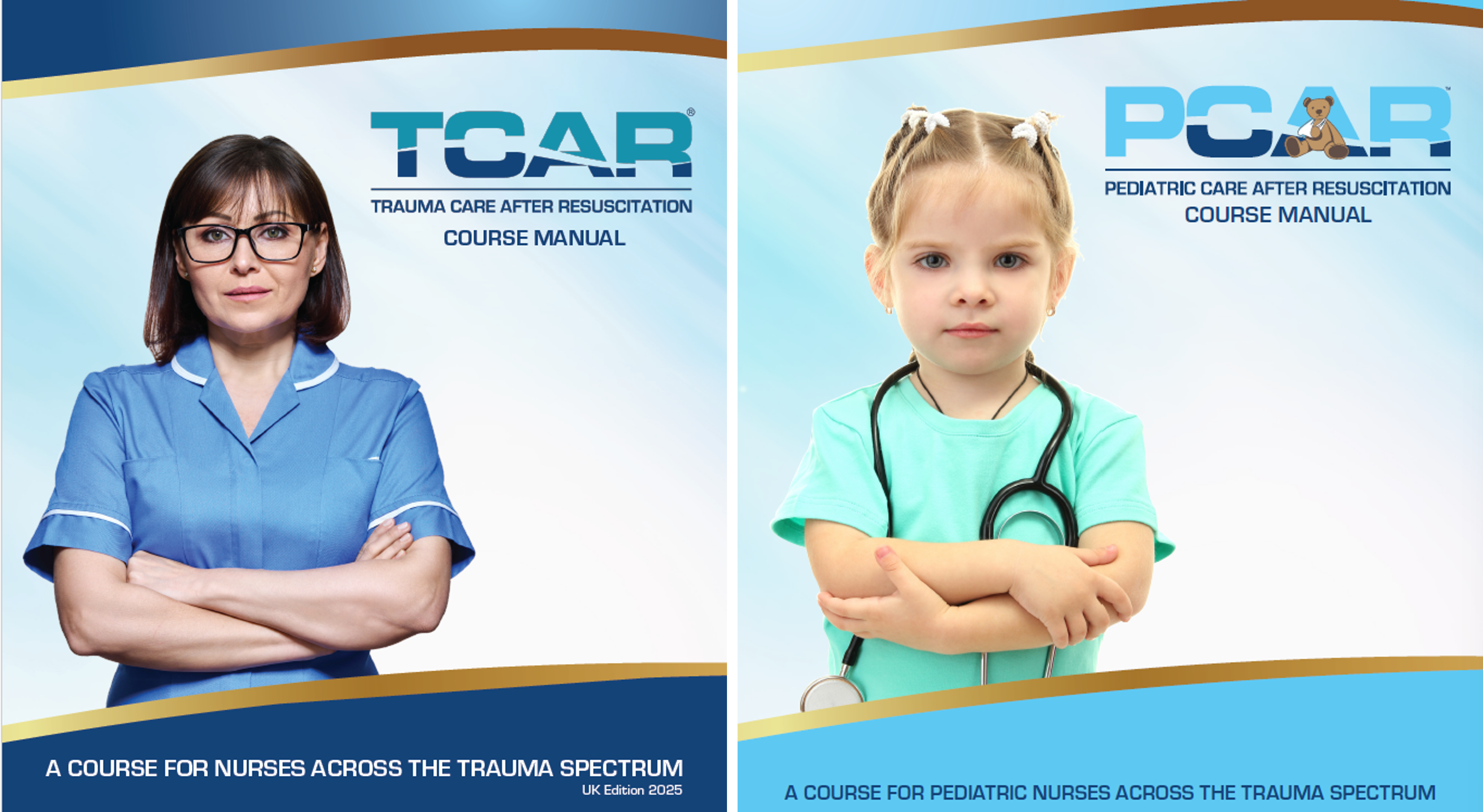
How do I access my course manual?
|
|
If you are enrolled in a TCAR or PCAR course, you can open, download, or print a FREE learner manual from the COURSE ACTIVITIES page. Alternatively, you can access it within each module by clicking the MANUAL tab. Even after completing the course, you can access the manual (and any updates) for one year from your course registration date. Warning: The course manuals are detailed, full-color documents, each about 300 pages long. Please consider the page count before clicking the PRINT button.
|
|
|
|
|
|
|
|
You can reveal a letter or the entire
word if you get stuck
|

|
|
|
|
|

|

|
|
A Suspended Animation Band-Aid?
|
|
Researchers at the University of Colorado are developing an innovative wound care technology inspired by biostasis—the natural ability of organisms, such as tardigrades, to pause biological processes under stress. The team has created a hydrogel that can place injured cells into a temporary state of “suspended animation,” thereby reducing damage caused by inflammation after severe injuries, such as burns, frostbite, or trauma. Potentially, this work could lead to hydrogel-infused bandages that stabilize tissue until professional care is available. These “smart band-aids” have the potential to revolutionize early trauma treatment, especially in remote or resource-limited settings.
|
|
|
|
|

|
|
|
|
|
|
Follow Us
Want to join the trauma care conversation?
Follow Us on Facebook, Instagram, and X.
|

|
|
|
|
|

|
|
TCAR
Education Programs
tcarprograms.org
info@tcarprograms.org
Office: (503) 608-4900
International Toll-Free: +1 800-800-2015
|
|
|
|
Copyright © 2025 TCAR Education Programs. All rights reserved.
You are receiving this email because you opted in by purchasing or registering for a
course or subscribing to our newsletter on our website.
Want to change how you receive these emails?
You can
update
your preferences or
unsubscribe
|


