|
|

|
|
View in browser
|
What to Do When The Pressue is High
11/25/2025
|
|
IT’S TRAUMA TUESDAY is
a Free Weekly Newsletter
Brought to you by
TCAR
Education Programs
|
|
For nurses and other clinicians
practicing anywhere
along the trauma care
spectrum
|
|
|
|
|
|
Take a quick test of your trauma care
knowledge
|

|

|

|
|
|
|
Article of the Week
Diagnosing Acute Compartment Syndrome
|
|
|
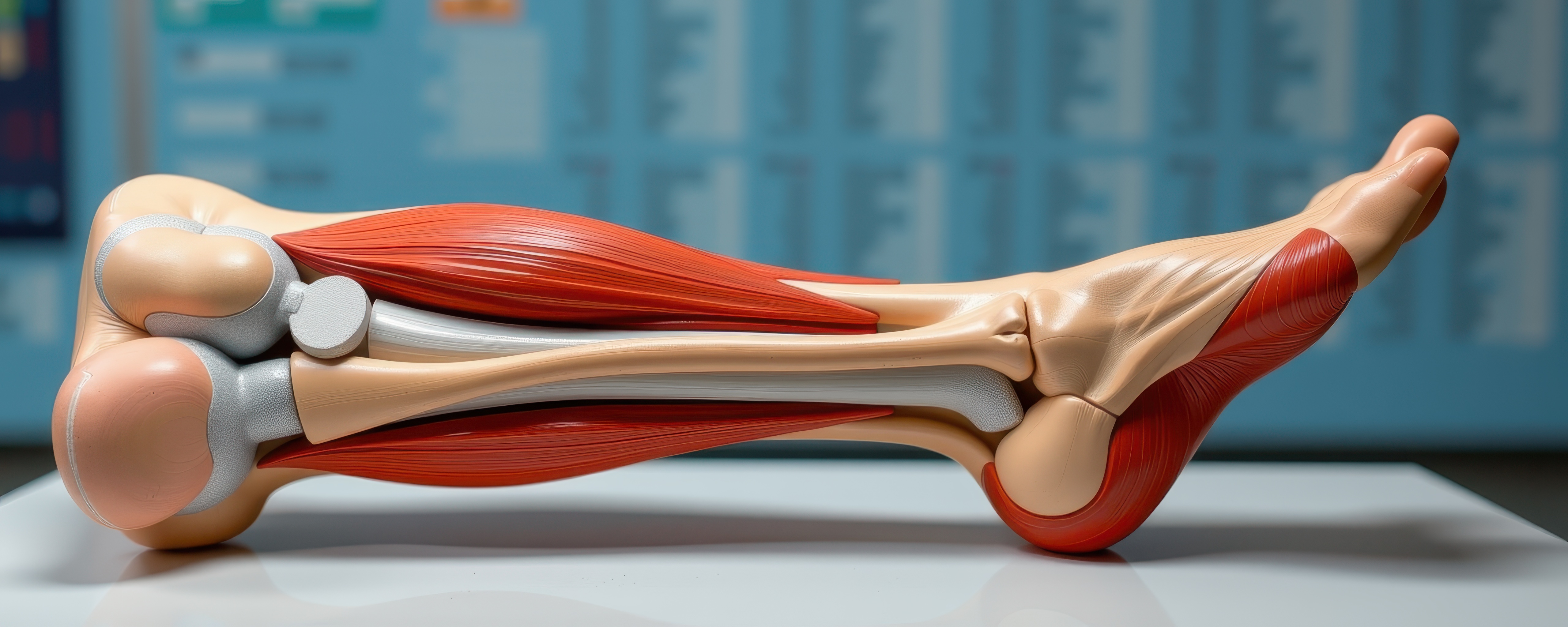
Acute Compartment Syndrome (ACS) is a serious complication often associated with tibial and other extremity fractures. The authors of this Injury review article suggest that ACS should be viewed as a progressive physiological process, rather than a simple “yes or no” condition. They caution that the traditional “6 Ps” of diagnosis are extremely unreliable and advocate for more objective, data-driven assessment methods. Emerging MEMS-based pressure sensors (MEMS stands for microelectromechanical systems), which provide continuous and more accurate monitoring, are seen as a promising advancement over traditional fluid-based systems. The review emphasizes that early detection and prompt surgical intervention remain crucial, with future care likely to focus on real-time tissue health metrics rather than static pressure thresholds.
Click the link to view the article or watch a short AI-generated article summary (7 min 14 sec).
|
|
|
|
Bouklouch Y, Miclau T, Harvey E. Diagnosis of Acute Compartment Syndrome: Current Diagnostic Parameters. Injury. doi:10.1016/j.injury.2025.112773.
|
|
|
|
Trauma Happenings
AI Telepathy? Really?
|

|
|
A new AI-powered neural interface called AlterEgo is transforming how people connect with technology. Created by MIT researcher Arnav Kapur, this non-invasive device sits over the ear and converts internally articulated words—enabling users to “speak” to computers without uttering a sound. The device is currently being tested with patients affected by motor neuron disease and multiple sclerosis. AlterEgo shows promising potential for individuals with impaired speech or mobility. Imagine what that could mean! Our intubated patients, as well as those with locked-in syndrome, could talk and do so in any language. This innovation could mark a significant advance in assistive communication and patient independence—an area of increasing importance for trauma and neuro-rehabilitation nurses. Check it out on this amazing 3.5-minute YouTube video. Click the link below.
|
|
|
|
|

|

|
|
TCAR/PCAR Verification Exam Passing Rates
|
|
Since implementing the TCAR Education Program’s requirement for learners to score at least 80% on the final posttest to achieve verification, participants have consistently met this goal. Current data show that most learners pass the posttest on their first attempt. Including those who need to retest, 98% eventually meet the standard and earn TCAR Verification. These numbers are consistent across TCAR and PCAR, US and UK versions. Taking the optional practice exam significantly improves learners’ chances of passing.
|
|
|
|
|
|
You can reveal a letter or the entire
word if you get stuck
|

|
|
|
|
|
|
|

|
|
|
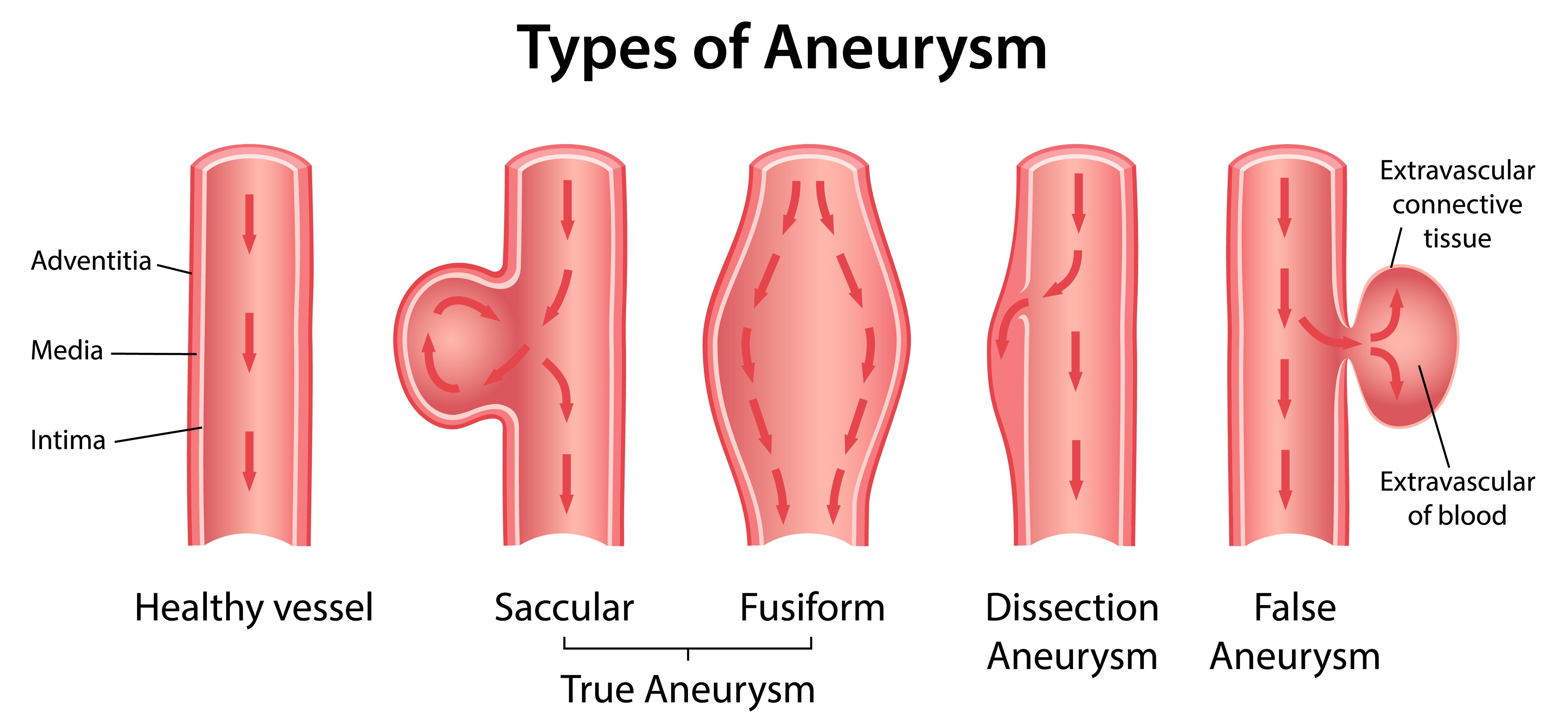
What Is the Difference Between An Aneurysm and a Pseudoaneurysm?
|
|
An aneurysm (a "true aneurysm") is a bulge or dilation of an artery that involves all three layers of the vessel wall—the inner intima, middle media, and outer adventitia. It is usually caused by a long-standing medical or congenital condition. For example, most intracranial aneurysms are congenital, and most aortic aneurysms result from a lifetime of cardiovascular disease. In a pseudoaneurysm (a "false aneurysm"), the inner blood vessel wall is damaged—at least one layer is torn—allowing blood to dissect between the layers while remaining contained by the surrounding tissue or the adventitia.
In trauma settings, pseudoaneurysms are more frequently encountered. They occur due to blunt or penetrating injuries to blood vessels (e.g., from car crashes or stabbings) and can cause delayed or life-threatening bleeding if not identified and managed. Trauma care providers must remain alert for this complication well after the initial resuscitative phase.
|
|
|
|
|

|
|
|
|
|
|
Follow Us
Want to join the trauma care conversation?
Follow Us on Facebook, Instagram, and X.
|

|
|
|
|
|

|
|
TCAR
Education Programs
tcarprograms.org
info@tcarprograms.org
Office: (503) 608-4900
International Toll-Free: +1 800-800-2015
|
|
|
|
Copyright © 2025 TCAR Education Programs. All rights reserved.
You are receiving this email because you opted in by purchasing or registering for a
course or subscribing to our newsletter on our website.
Want to change how you receive these emails?
You can
update
your preferences or
unsubscribe
|


