|
|

|
|
View in browser
|
Can Dried Plasma Saves Lives?
12/02/2025
|
|
IT’S TRAUMA TUESDAY is
a Free Weekly Newsletter
Brought to you by
TCAR
Education Programs
|
|
For nurses and other clinicians
practicing anywhere
along the trauma care
spectrum
|
|
|
|
|
|
Take a quick test of your trauma care
knowledge
|

|

|

|
|
|
|
Article of the Week
Dried plasma for trauma resuscitation
|
|
|
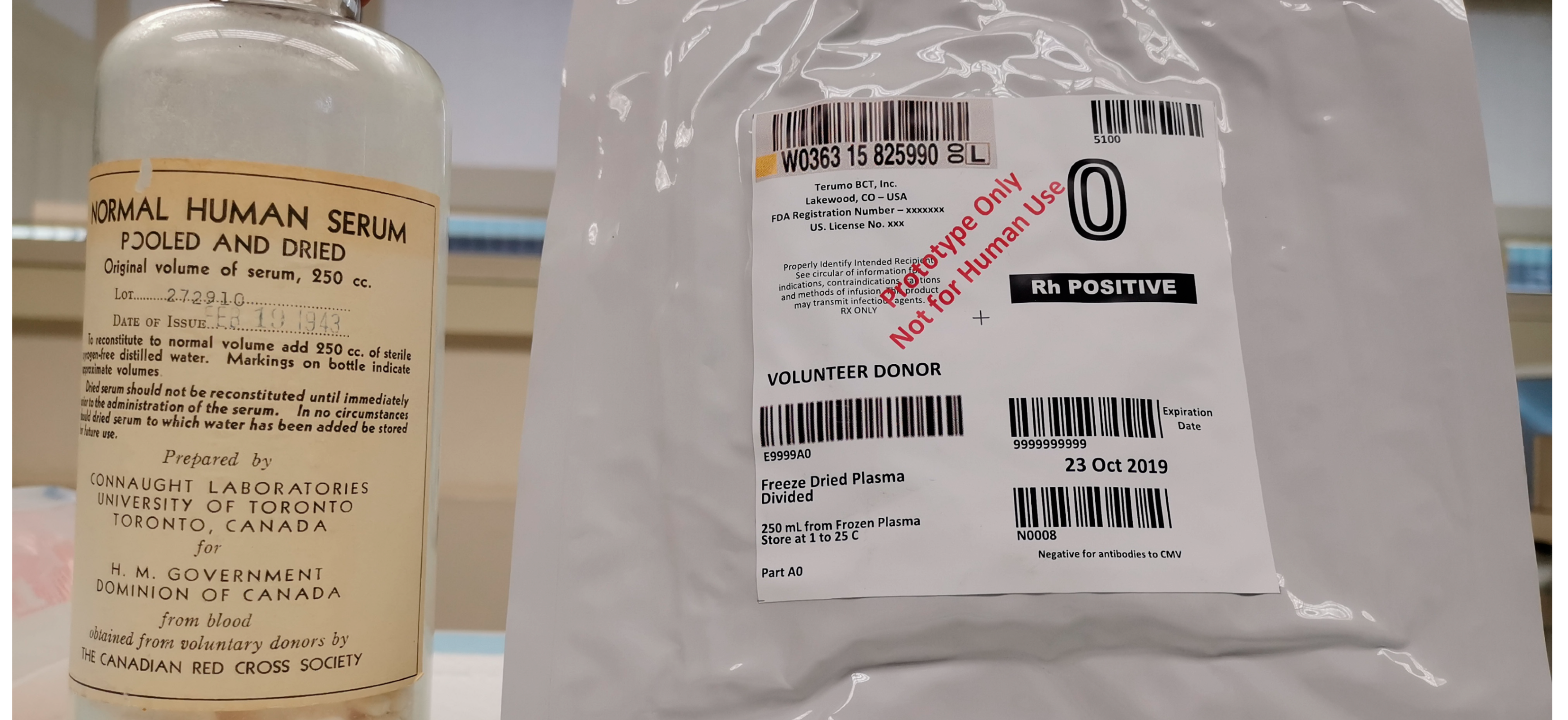
Dried plasma is a shelf-stable blood product that provides coagulation factors without the stringent cold-storage requirements of traditional frozen plasma. This allows for a long shelf life at room temperature and makes administration practical in out-of-hospital settings. This article examines the use of dried plasma in trauma resuscitation, emphasizing its role in military, prehospital, and rural settings. Although the evidence for its benefits is mixed, efforts to develop and incorporate dried plasma into civilian care continue worldwide. Click the link to view the article or watch a short AI-generated article summary (6 min 33 sec).
|
|
|
|
Prifti V, Dion PM, Beckett A, Singh K. Dried plasma for trauma resuscitation: from Canadian Armed Forces to civilian prehospital and rural settings. CMAJ: Canadian Medical Association. Sep 14 2025;197(30).
|
|
|
|
Trauma Happenings
ACS Best Practice Guidelines: Management of Chest Wall Injuries
|
|
|
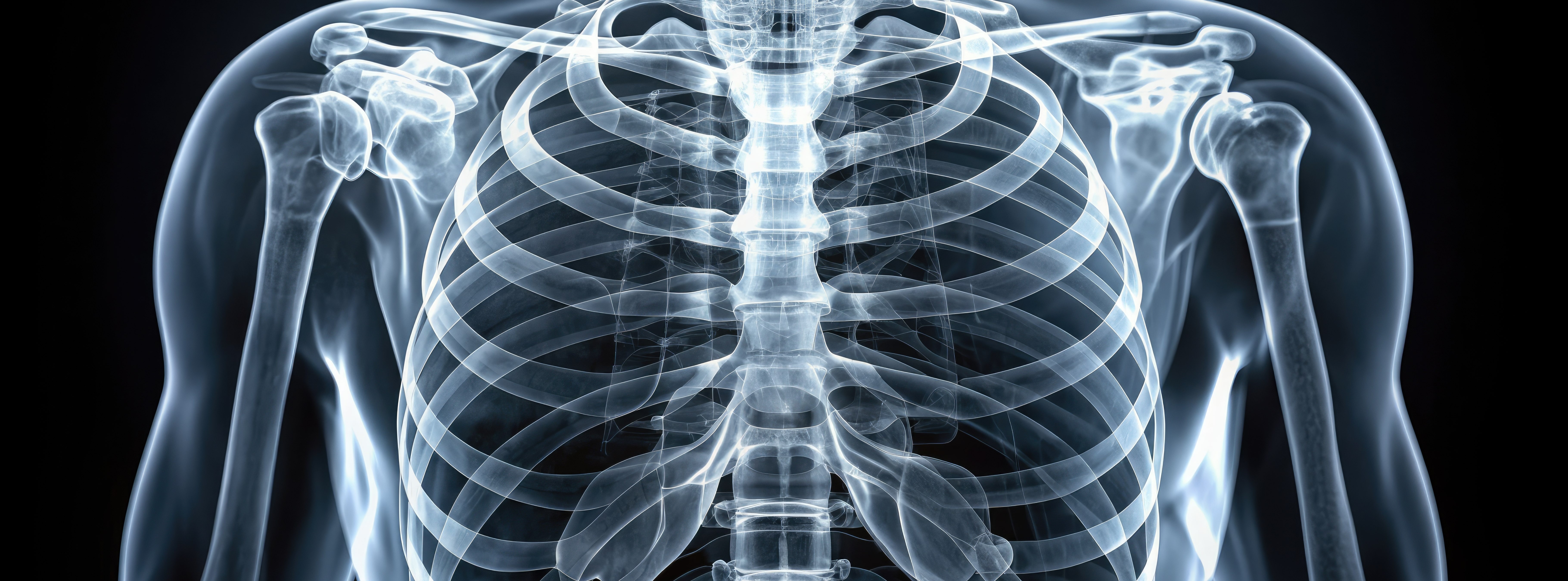
Thoracic trauma accounts for over 30% of trauma-related deaths in the U.S., with rib fractures being the most common chest injury. Historically, these injuries were usually allowed to heal spontaneously. Modern interest in surgical stabilization of rib fractures (SSRF) grew after early randomized studies showed improved outcomes in patients with severe flail chest. Newly developed plating systems have further enhanced care by providing durable stabilization with fewer complications. The Chest Wall Injury Society has worked to standardize best practices and expand education on both surgical and non-surgical management. As evidence continues to grow, a multimodal, multidisciplinary approach to treating chest wall injuries is shaping the future of improved patient outcomes. Click the link below to read or download this Best Practice Guideline from the American College of Surgeons.
|
|
|
|
|

|

|
|
I am a Trauma Registry Professional. Is the TCAR Course Right for me?
|
|
TCAR (Trauma Care After Resuscitation) and PCAR (Pediatric Care After Resuscitation) are designed for nurses and allied health professionals working across the entire spectrum of trauma care, from prehospital settings to rehabilitation. TCAR and PCAR portray trauma care as a continuous process involving all hospital units and specialty areas. Trauma registrars, who assess the entire patient care process for data and performance improvement, benefit from a solid understanding of evidence-based inpatient trauma management. While many learners pursue TCAR or PCAR to meet trauma verification requirements, others—such as new nurses, staff who rarely manage trauma patients, and trauma registry professionals—may find that auditing the course is sufficient for foundational training. Hospitals can select the “Audit” option, which allows users to complete the modules without needing to pass the post-test.
|
|
|
|
|
|
You can reveal a letter or the entire
word if you get stuck
|

|
|
|
|
|
|
|

|

|
|
Fatigue-Induced Attention Failure: What's Really Happening in Your Brain When You "Zone-Out"
|
|
Have you ever gotten home after a busy night shift only to realize you don’t really remember driving? A new study shows that when people are extremely tired, the brain briefly slips into a sleep-like state even while they seem awake. During these moments—often called “zoning out”—the brain exhibits changes in blood flow and cerebrospinal fluid patterns that usually happen during deep sleep. These short lapses help explain why tired people might miss important cues or have slowed reaction times. The findings show how sleep deprivation can harm attention and decision-making, creating serious safety hazards in fast-paced clinical settings. This research emphasizes the need for enough rest to keep alertness, mental performance, patient safety, and personal safety. Read more about it in this web article from LiveScience at the link below.
|
|
|
|
|

|
|
|
|
|
|
Follow Us
Want to join the trauma care conversation?
Follow Us on Facebook, Instagram, and X.
|

|
|
|
|
|

|
|
TCAR
Education Programs
tcarprograms.org
info@tcarprograms.org
Office: (503) 608-4900
International Toll-Free: +1 800-800-2015
|
|
|
|
Copyright © 2025 TCAR Education Programs. All rights reserved.
You are receiving this email because you opted in by purchasing or registering for a
course or subscribing to our newsletter on our website.
Want to change how you receive these emails?
You can
update
your preferences or
unsubscribe
|


