|
|

|
|
View in browser
|
Mind the Gas! Oxygen, CO₂, and TBI Mortality
12/16/2025
|
|
IT’S TRAUMA TUESDAY is
a Free Weekly Newsletter
Brought to you by
TCAR
Education Programs
|
|
For nurses and other clinicians
practicing anywhere
along the trauma care
spectrum
|
|
|
|
|
|
Take a quick test of your trauma care
knowledge
|

|

|

|
|
|
|
Article of the Week
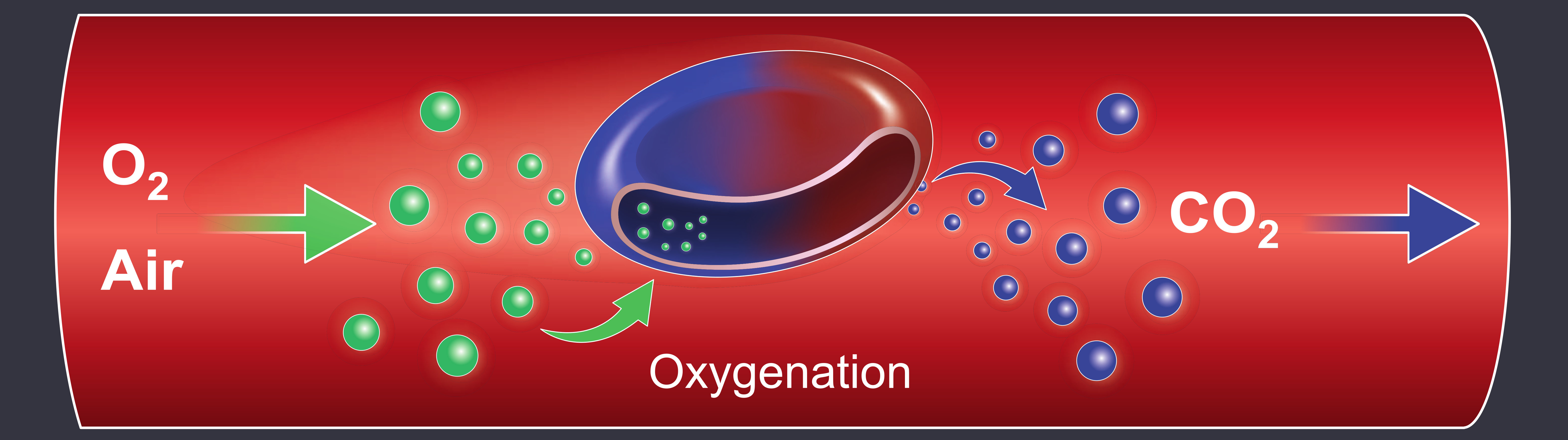
How Do PaO2 and PCO2 Levels Impact TBI Mortality?
|
|
|
This study aimed to provide a comprehensive overview of the relationship between systemic oxygen and carbon dioxide levels and patient outcomes. Key findings indicate that HYPOXIA and HYPOcapnia are both significantly associated with increased mortality in moderate to severe TBI. Conversely, HYPERcapnia was not significantly linked to mortality, highlighting the importance of carefully managing blood gas levels in the TBI population. Click the link to view the article or watch a short AI-generated article summary (5 min 49 sec).
|
|
|
|
Atkin-Jones T, Solorzano-Aldana MC, Rezk A, et al. Impact of oxygen and carbon dioxide levels on mortality in moderate to severe traumatic brain injury: a systematic review and meta-analysis. Crit Care. 2025;29(1):357.
|
|
|
|
Trauma Happenings
Concussion Care Update
|

|
|
Concussion management has received increased attention in recent years, and current best practices extend well beyond simply recommending a few days of rest in a dark room. This Cleveland Clinic web article highlights the importance of vestibular and oculomotor screening, neck and gait assessments, and comprehensive patient histories for developing personalized treatment plans. It also stresses the need for coordinated care, with athletic trainers, physicians, and therapists using consistent protocols and tools when deciding to clear athletes for return to play. Read more at the link.
|
|
|
|
|

|

|
|
Why is there no Psychomotor Skills Testing in a TCAR/PCAR Course?
|
|
Unlike resuscitation-focused courses that cover information specific to the early phase of trauma care, TCAR and PCAR are designed to address the learning needs of nurses and other bedside care providers working throughout the trauma care continuum. What psychomotor skills apply to ALL personnel caring for injured patients in an ED, OR, IR, ICU, Tele unit, Med-surg ward, or Rehab area? None! It wouldn’t make sense to focus on hands-on skills for such a broad audience. Instead, TCAR and PCAR are “brains-on” courses designed to change how learners THINK about the injured patient. For suggestions regarding skills related to various learners’ practice levels and work areas, see the list of Related Competencies at the end of each module.
|
|
|
|
|
|
You can reveal a letter or the entire
word if you get stuck
|

|
|
|
|
|
|
|

|

|
|
Osmolarity vs. Osmolality . . . What's the Difference?
|
|
Here’s a topic that confuses almost everyone. Osmolarity and osmolality both describe the concentration of dissolved particles (osmoles) in a solution, but they differ in what is measured and how the dissolved particles behave physiologically. Osmolarity
→ Osmoles per liter of solution (Osm/L)
→ Volume-based measurement Osmolality
→ Osmoles per kilogram of solvent (Osm/kg)
→ Mass-based measurement Because biological fluids can change volume with temperature, osmolality is the preferred measurement in clinical and physiological contexts, including serum and urine concentrations, fluid/electrolyte balance, and the calculation of osmolar gap. OSMOLARITY tells you what’s in the bag, whereas OSMOLALITY is useful when considering how IV fluids behave in the body.
|
|
|
|
|

|
|
|
|
|
|
Follow Us
Want to join the trauma care conversation?
Follow Us on Facebook, Instagram, and X.
|

|
|
|
|
|

|
|
TCAR
Education Programs
tcarprograms.org
info@tcarprograms.org
Office: (503) 608-4900
International Toll-Free: +1 800-800-2015
|
|
|
|
Copyright © 2025 TCAR Education Programs. All rights reserved.
You are receiving this email because you opted in by purchasing or registering for a
course or subscribing to our newsletter on our website.
Want to change how you receive these emails?
You can
update
your preferences or
unsubscribe
|


