|
|

|
|
View in browser
|
Hold the CT!
01/06/2026
|
|
IT’S TRAUMA TUESDAY is
a Free Weekly Newsletter
Brought to you by
TCAR
Education Programs
|
|
For nurses and other clinicians
practicing anywhere
along the trauma care
spectrum
|
|
|
|
|
|
Take a quick test of your trauma care
knowledge
|

|

|

|
|
|
|
Article of the Week
Pedi C-Spine Imaging? Skip the Scanner
|
|
|
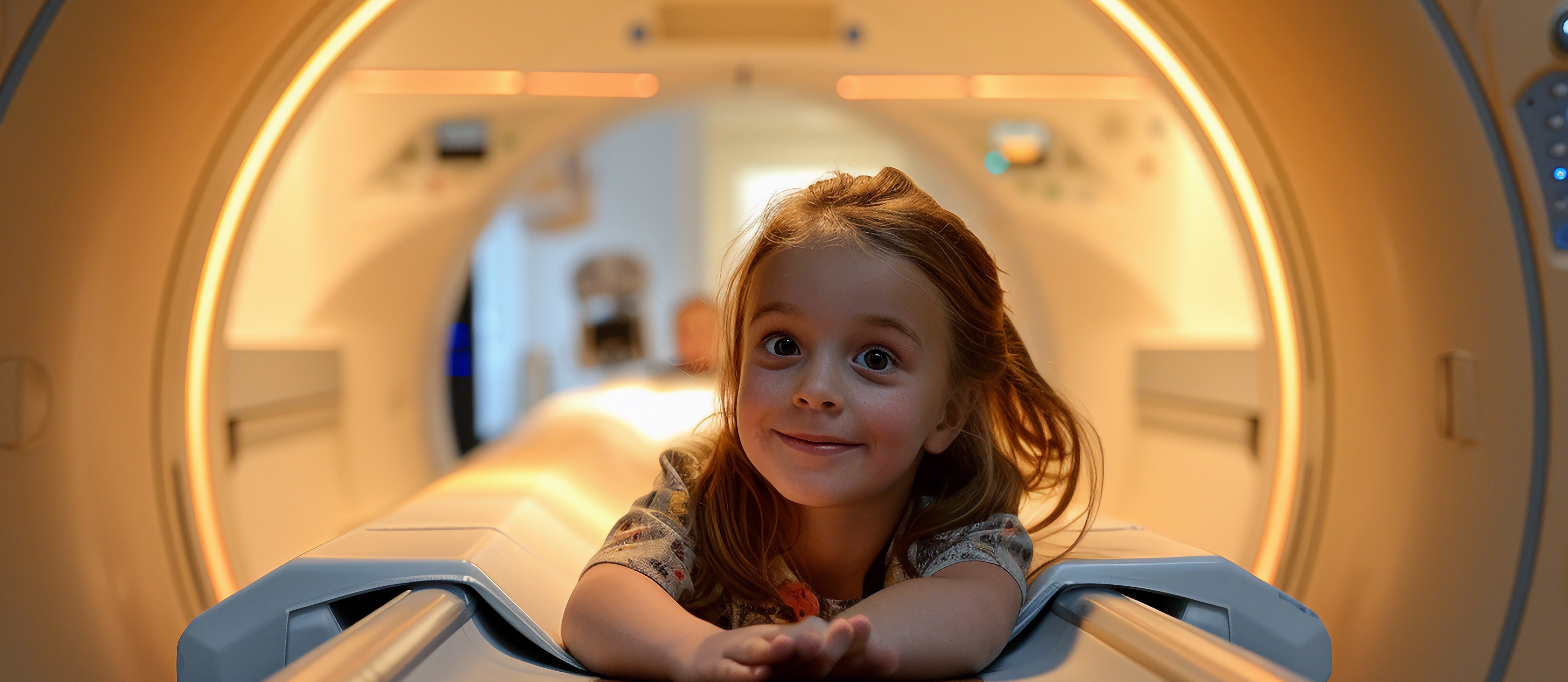
How effectively do plain X-rays clear the cervical spine in evaluable pediatric trauma patients—those who are awake, cooperative, and able to participate in an exam? This study reviewed over 2,000 pediatric cases spanning 10 years and found that when a child had both a normal X-ray AND a normal physical exam, no clinically significant cervical spine injuries were missed, demonstrating that plain radiographs are a safe and effective first-line tool in kids. So, do we really need to keep irradiating children's necks in the CT scanner? Click the link to view the article or watch a short AI-generated article summary (5 min 08 sec).
|
|
|
|
Starr W, Iantorno S, Wang J, et al. Pediatric cervical spine clearance: a 10-year evaluation of X-ray in evaluable patients at a level 1 pediatric trauma center. Trauma Surg Acute Care Open. 2025;10(3):e001539.
|
|
|
|
Trauma Happenings
Procedure: Hematoma Block
|
|
|
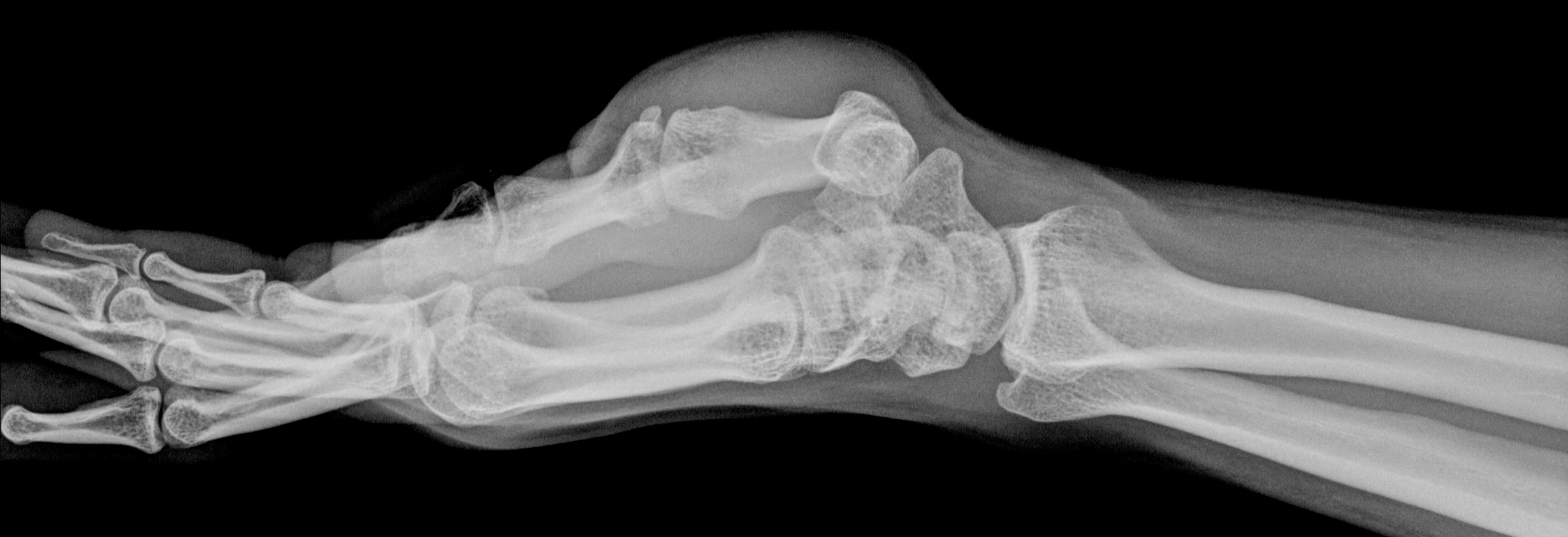
Two weeks ago, we shared a video on fascial plane blocks, but have you heard of a hematoma block? This technique can offer excellent pain control for wrist fracture reductions while avoiding the time, staffing needs, and risks associated with procedural sedation. Studies indicate that hematoma blocks provide quality and success rates similar to those of sedation, with very effective pain relief during and after the procedure. Their use also shortens procedure time and ED length of stay. Complications are rare, especially compared to the more common adverse events linked to sedation. Watch this short video demonstration of the procedure from Life in the Fast Lane. You’ll love this guy's Australian accent! Click the link below.
|
|
|
|
|

|

|
|
Wishing You the Best in 2026
|
|
Happy New Year, from your TEP Curriculum Development Team and Course Operations Crew.
|
|
|
|
|

|

|
|
And the Record Goes to . . .
|
|
The longest-known reported case of successful resuscitation after cardiac arrest and accidental hypothermia involves a 31-year-old man who was revived after 8 hours and 42 minutes. The man, whose body temperature was 79°F (26°C), experienced a cardiac arrest. People nearby immediately began administering CPR, which was maintained for over THREE AND A HALF HOURS! He made it to the hospital, was placed on ECMO, rewarmed, and successfully resuscitated. After three months, doctors reported that the man had recovered without neurological damage. Sometimes, hypothermia is a good thing! Click the link to read more in this article (with case report links) from Live Science.
|
|
|
|
|

|
|
|
|
|
|
Follow Us
Want to join the trauma care conversation?
Follow Us on Facebook, Instagram, and X.
|

|
|
|
|
|

|
|
TCAR
Education Programs
tcarprograms.org
info@tcarprograms.org
Office: (503) 608-4900
International Toll-Free: +1 800-800-2015
|
|
|
|
Copyright © 2026 TCAR Education Programs. All rights reserved.
You are receiving this email because you opted in by purchasing or registering for a
course or subscribing to our newsletter on our website.
Want to change how you receive these emails?
You can
update
your preferences or
unsubscribe
|


