|
|

|
|
View in browser
|
Central Capillary Refill Time
02/10/2026
|
|
IT’S TRAUMA TUESDAY is
a Free Weekly Newsletter
Brought to you by
TCAR
Education Programs
|
|
For nurses and other clinicians
practicing anywhere
along the trauma care
spectrum
|
|
|
|
|
|
Take a quick test of your trauma care
knowledge
|

|

|

|
|
|
|
Article of the Week
Central Capillary Refill Time and Mortality
|

|
|
In a large analysis of the CRASH-2 trial, researchers examined whether central capillary refill time (CRT) could predict outcomes in adult trauma patients. They found that when a patient’s central CRT was prolonged (about 5 seconds or more), it was a strong warning sign for a higher risk of death and serious complications, even when heart rate and blood pressure looked “normal.” In other words, CRT helped uncover hidden poor perfusion that traditional vital signs might miss. Patients with slower refill were also more likely to need blood transfusions and operative or procedural interventions, reinforcing that delayed CRT often signals more severe shock or ongoing bleeding. For bedside trauma nurses, this article highlights CRT as a quick, non-invasive assessment that can strengthen early recognition of circulatory compromise, support timely escalation of care, and guide closer monitoring of trends—especially in patients who appear stable but may be quietly deteriorating. Click the link to view the article or watch a short AI-generated article summary (6 min 12 sec).
|
|
|
|
Jegerlehner S, Harris T, Mueller M, Bloom B. Association of central capillary refill time with mortality in adult trauma patients: a secondary analysis of the crash-2 randomised controlled trial data. Scand J Trauma Resusc Emerg Med. 2025;33(1):82.
|
|
|
|
Media of the Month
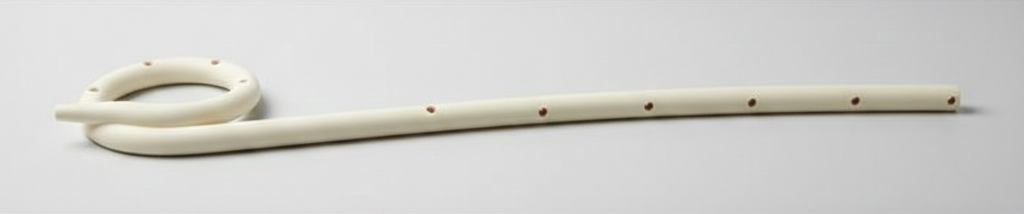
How to Place a Pigtail Catheter
|
|
|
In this blog post from Emergency Medicine News, the authors outline the process for inserting a pigtail catheter to treat spontaneous or iatrogenic pneumothorax and simple pleural effusions. There are links to videos demonstrating the procedure and proper chest tube securement.
|
|
|
|
|

|

|
|
Current It's Trauma Tuesday Newsletters are Now Available in the Archives
|
|
Many iPhone users who updated to Apple’s iOS 26 (released last fall) have been unable to view large portions of the weekly newsletter on their phones. We've done some fixes, but it may or may not have resolved the problem on your phone. However, there are a few workarounds you can do. First, click the View In Browser link at the top of the newsletter, and you should be able to view all content. Also, the current edition of the weekly It’s Trauma Tuesday Newsletter is now immediately available in the Newsletter archive, which can be found under the NEWSLETTERS tab on the TCAR Education Programs website. Or, you can scroll to the bottom of this newsletter and select the View Past Issues button. Happy reading!
|
|
|
|
|

|
|
|
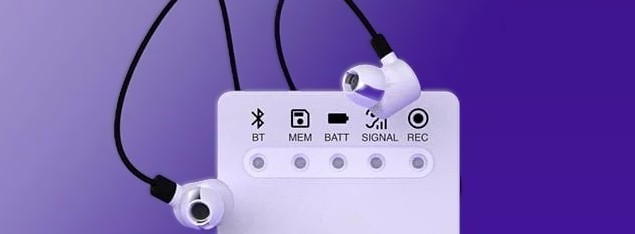
Earbuds for Seizure Identification?
|
|
Subclinical seizures are a frequent problem in head-injured patients, and detection requires continuous EEG monitoring. Several companies have developed simplified EEG devices designed for quick application using a set of scalp electrodes. Now, the FDA has cleared a tiny device — smaller than your cell phone —that can detect EEG activity through earbuds. The new Naox Link was designed for ambulatory patient use, but could it eventually appear in EDs and inpatient settings? What a fast and easy way to identify a seizing patient.
|
|
|
|
|

|
|
|
|
|
|
Follow Us
Want to join the trauma care conversation?
Follow Us on Facebook, Instagram, and X.
|

|
|
|
|
|

|
|
TCAR
Education Programs
tcarprograms.org
info@tcarprograms.org
Office: (503) 608-4900
International Toll-Free: +1 800-800-2015
|
|
|
|
Copyright © 2026 TCAR Education Programs. All rights reserved.
You are receiving this email because you opted in by purchasing or registering for a
course or subscribing to our newsletter on our website.
Want to change how you receive these emails?
You can
update
your preferences or
unsubscribe
|


