|
|

|
|
View in browser
|
Resuscitation is Rough on the Renals
03/31/2026
|
|
IT’S TRAUMA TUESDAY is
a Free Weekly Newsletter
Brought to you by
TCAR
Education Programs
|
|
For nurses and other clinicians
practicing anywhere
along the trauma care
spectrum
|
|
|
|
|
|
Take a quick test of your trauma care
knowledge
|

|

|

|
|
|
|
Article of the Week
Trauma-Related Acute Kidney Injury (TrAKI)
|
|
|
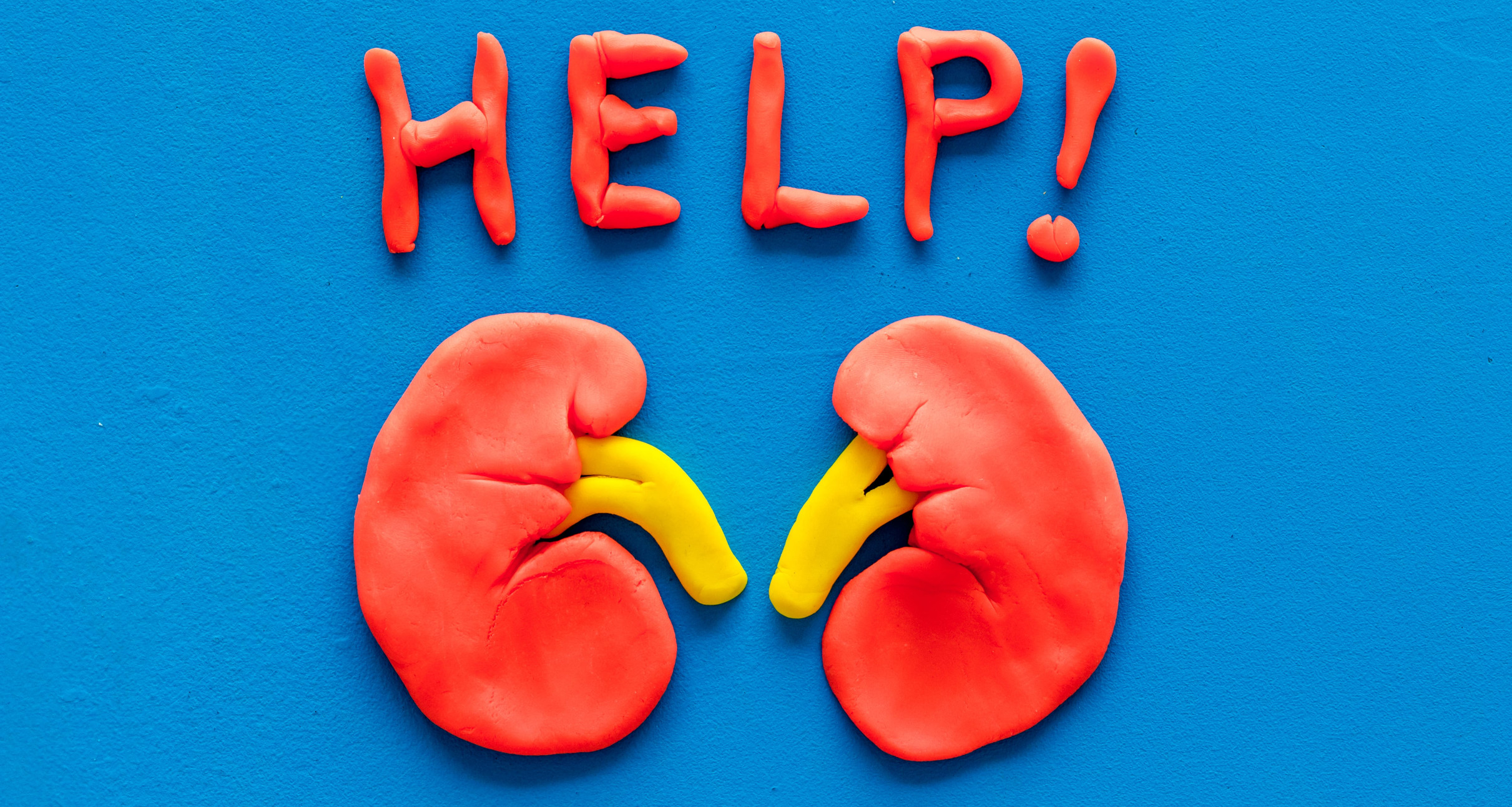
Have you heard of TrAKI? Health care providers who treat trauma patients recognize that acute kidney injury is a serious complication in patients with severe physical injuries. The authors of this medical review describe a bimodal distribution of the condition, noting two distinct waves: an early phase (within 72 hours) and a late phase (after 72 hours). Each phase is driven by a distinct set of pathophysiological factors. Identifying specific risk factors enables early diagnosis and targeted prevention. Click the link to view the article or watch a short AI-generated article summary (5 min 03 sec).
|
|
|
|
Sertaridou E, Alexopoulou C, Papaioannou V. Bimodal distribution of trauma-related acute kidney injury (TrAKI): A clinical review. J Crit Care Med (Targu Mures). 2026;12(1):5-19.
|
|
|
|
Trauma Happenings
Are You Suffering Digital Compassion Fatigue?
|

|
|
If you are an RN of a certain age, you’ll remember the days when documentation was done on paper, and you rarely interacted with a computer. Things have changed significantly over the past 20-30 years! Nursing today looks very different. Computers now play an essential role in everything from physician orders and lab results to imaging reports, team communication, and, of course, clinical nursing documentation. This article from Medscape examines technology’s contribution to compassion fatigue in nurses, known as "digital compassion fatigue." Click the link to read a Medscape report on this topic.
|
|
|
|
|

|
|
|
New PCAR Course Logos
|
|
As part of our 15th anniversary logo refresh, we’ve updated the PCAR logos. Why TWO PCAR logos? Because of the spelling differences between the US and UK versions of "Pediatric” and "Paediatric”.
|
|
|
|
|

|

|
|
Which Type of Donors Contribute More Organs?
|
|
Today, more organ donations occur after circulatory death (DCD) than from brain-dead donors. Donations after irreversible loss of circulatory function increased from just 2% in 2000 to 49% in 2025. Learn more about the shift in national transplant trends in this article from MedPage Today.
|
|
|
|
|

|
|
|
|
|
|
Follow Us
Want to join the trauma care conversation?
Follow Us on Facebook, Instagram, and X.
|

|
|
|
|
|

|
|
TCAR
Education Programs
tcarprograms.org
info@tcarprograms.org
Office: (503) 608-4900
International Toll-Free: +1 800-800-2015
|
|
|
|
Copyright © 2026 TCAR Education Programs. All rights reserved.
You are receiving this email because you opted in by purchasing or registering for a
course or subscribing to our newsletter on our website.
Want to change how you receive these emails?
You can
update
your preferences or
unsubscribe
|


