|
|

|
|
View in browser
|
ALARA for imaging in kids
04/07/2026
|
|
IT’S TRAUMA TUESDAY is
a Free Weekly Newsletter
Brought to you by
TCAR
Education Programs
|
|
For nurses and other clinicians
practicing anywhere
along the trauma care
spectrum
|
|
|
|
|
|
Take a quick test of your trauma care
knowledge
|

|

|

|
|
|
|
Article of the Week
Imaging and cancer risk in kids.
|
|
|
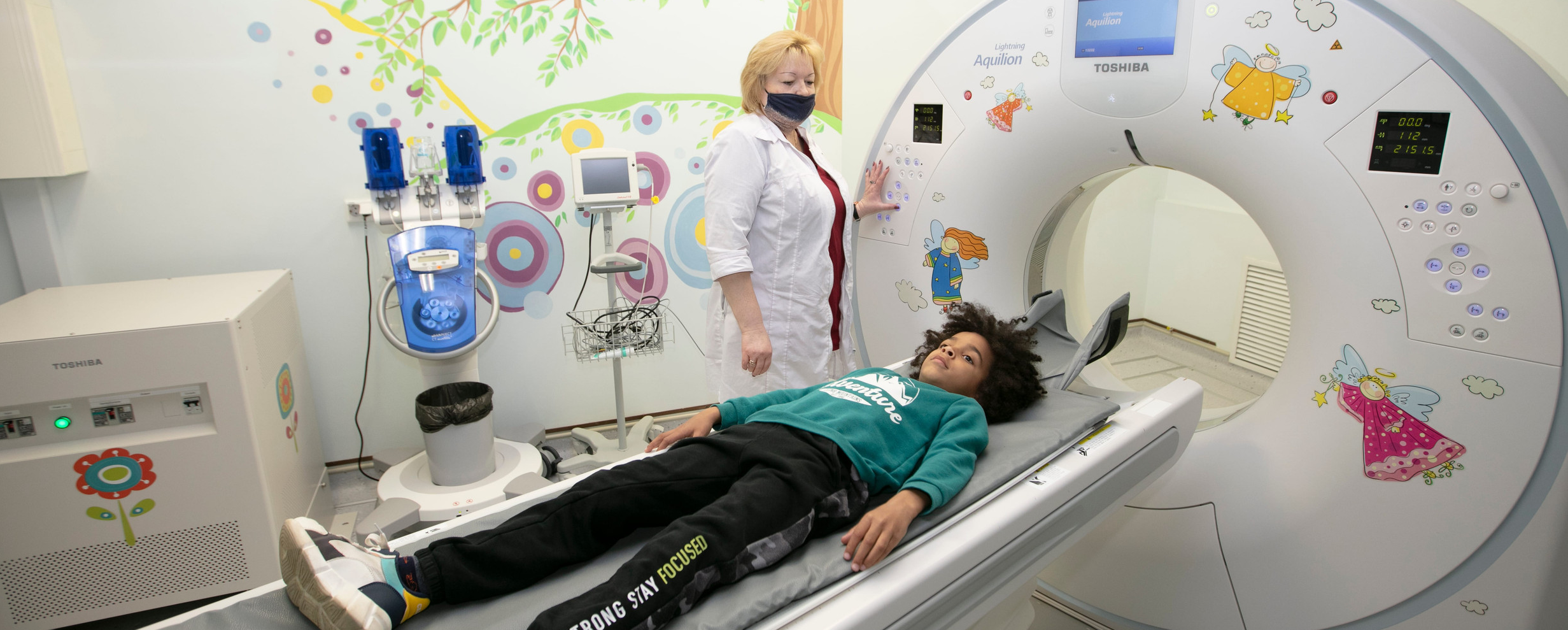
This article explores the potential long-term risks of ionizing radiation from medical imaging in children and adolescents, highlighting a link to blood cancers such as leukemia and lymphoma. Even commonly used imaging, like CT scans, carries a small but meaningful risk, especially in younger patients whose tissues are more sensitive to radiation. While imaging is often critical for accurate diagnosis and timely intervention in trauma care, this study reinforces the importance of being mindful about when and how it’s used.
Nurses play an important role in advocating for patient safety by supporting dose-reduction strategies, confirming appropriate imaging orders, and considering alternatives like ultrasound or MRI when clinically appropriate. Ultimately, the goal is to balance immediate diagnostic needs with long-term patient safety, ensuring we provide high-quality care while minimizing unnecessary exposure.
Click the link to view the article or watch a short AI-generated article summary (4 min 57 sec).
|
|
|
|
Smith-Bindman R, Alber SA, Kwan ML, et al. Medical Imaging and Pediatric and Adolescent Hematologic Cancer Risk. N Engl J Med. 2025;393(13):1269-1278.
|
|
|
|
Trauma Happenings
Whole blood vs. Component therapy
|
|
|
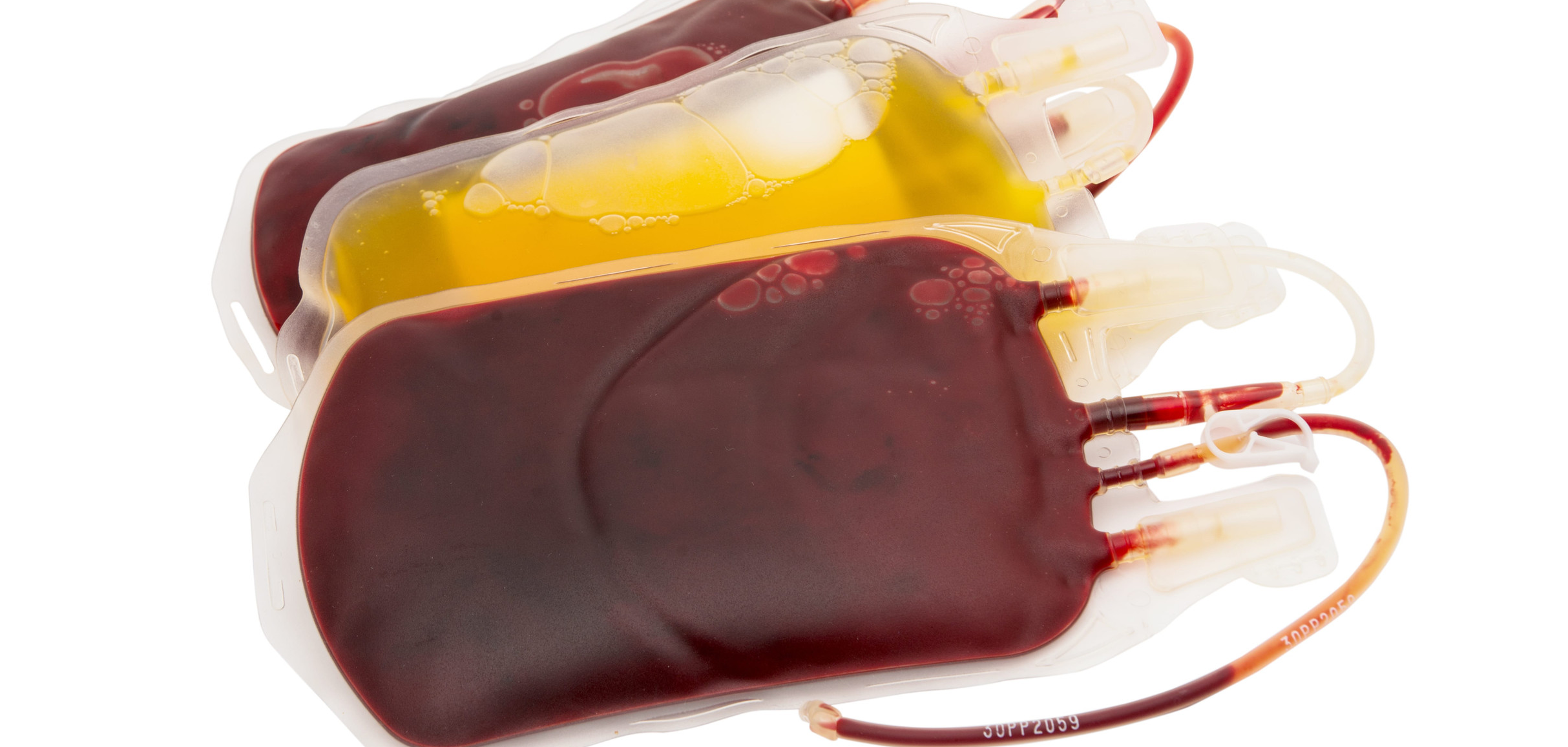
A recent randomized controlled trial from England, published in the New England Journal of Medicine, tested whether pre-hospital transfusion of 2 units of whole blood would be better than component therapy for major traumatic hemorrhage. The short answer is no, it isn't. Outcomes were essentially the same between the two groups. However, there are significant logistical advantages to whole-blood transfusion over component therapy, especially in a prehospital environment. Read more about it in this article from MedPage Today. Click the link below.
|
|
|
|
|

|

|
|
Society of Trauma Nurses: Are You A Member?
|
|
If you haven't yet joined the Society of Trauma Nurses (STN), you're missing out on a great source of news, education, and community with your trauma nursing peers. Members can join a daily discussion forum, attend monthly webinars for free, get a subscription to the Journal of Trauma Nursing, and receive substantial discounts on both the annual TraumaCon conference and the TCRN exam.
If you are heading to the STN TraumaCon conference next week in Austin, TX, stop by booth #107 to say hello! We want to hear from you!
|
|
|
|
|

|
|
|
A glimmer of hope for spinal cord injury recovery?
|
|
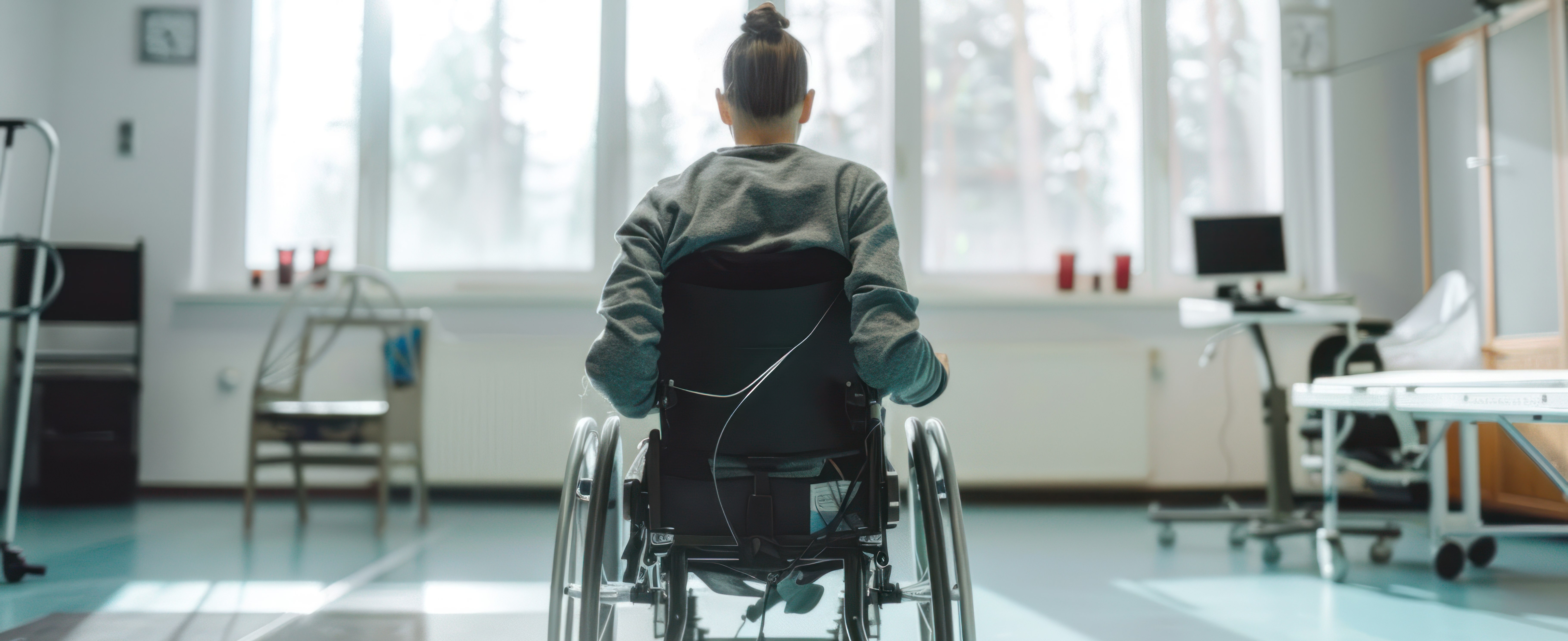
Researchers developed a lab-grown “mini spinal cord” using human stem cells that closely mimics what happens in real spinal cord injuries- cell death, inflammation, and scar formation that blocks nerve healing. When this injured tissue was treated with a new therapy made of fast-moving “dancing molecules,” the results showed less scar tissue and significant regrowth of nerve fibers, suggesting the potential to restore lost function. Maybe this will be the breakthrough that results in effective treatments for this devastating injury. Read more in this article from scitechdaily.com.
|
|
|
|
|

|
|
|
|
|
|
Follow Us
Want to join the trauma care conversation?
Follow Us on Facebook, Instagram, and X.
|

|
|
|
|
|

|
|
TCAR
Education Programs
tcarprograms.org
info@tcarprograms.org
Office: (503) 608-4900
International Toll-Free: +1 800-800-2015
|
|
|
|
Copyright © 2026 TCAR Education Programs. All rights reserved.
You are receiving this email because you opted in by purchasing or registering for a
course or subscribing to our newsletter on our website.
Want to change how you receive these emails?
You can
update
your preferences or
unsubscribe
|


