|
|

|
|
View in browser
|
ARDS in Trauma
04/21/2026
|
|
IT’S TRAUMA TUESDAY is
a Free Weekly Newsletter
Brought to you by
TCAR
Education Programs
|
|
For nurses and other clinicians
practicing anywhere
along the trauma care
spectrum
|
|
|
|
|
|
Take a quick test of your trauma care
knowledge
|

|

|

|
|
|
|
Article of the Week
Acute Respiratory Distress Syndrome in Trauma
|
|
|
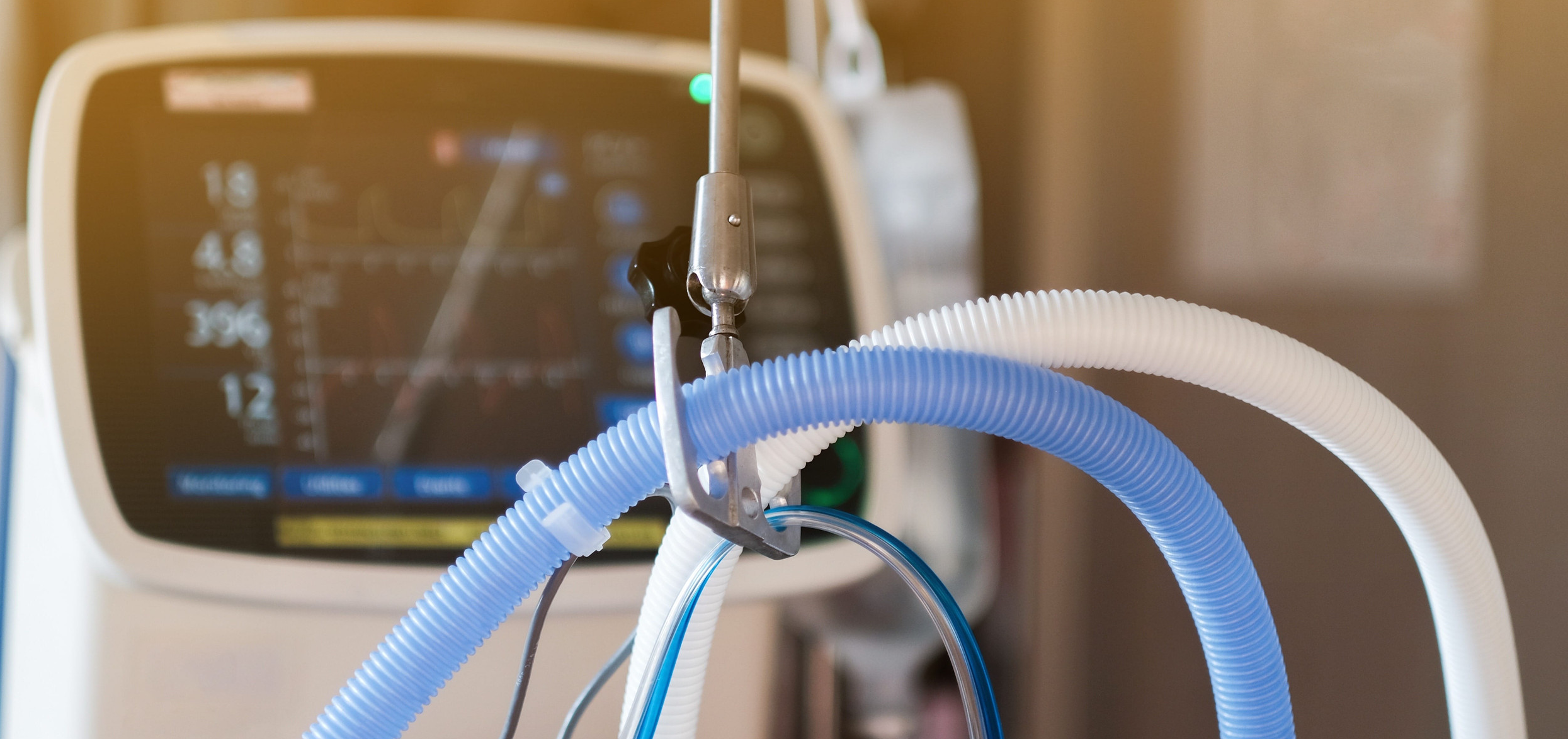
This review highlights how Acute Respiratory Distress Syndrome (ARDS) can develop in trauma patients and what it means for bedside care. It reinforces that core practices like lung-protective ventilation and prone positioning remain essential. Still, trauma patients require extra vigilance to prevent worsening lung injury, especially when managing fluids and ventilator settings. Nurses need to be aware of key risk factors such as chest trauma, higher BMI, and frequent blood transfusions, because these patients can deteriorate more quickly. The article also discusses advanced therapies like ECMO, which can be life-saving but carry serious bleeding risks in multi-trauma patients. Click the link to view the article or watch a short AI-generated article summary (6 min 17 sec).
|
|
|
|
Vlachou C, Argiriadou H, Amaniti A, Grosomanidis V, Gkouletsa E, Sarridou D. Acute respiratory distress syndrome in trauma patients-Treatment interventions and risks. Injury. 2026;57(4):113113.
|
|
|
|
Trauma Happenings
Fad . . . or Future? Using Serum Biomarkers to Detect Brain Injury
|

|
|
The use of serum biomarkers to detect brain injury and support decision-making for patients with TBI has been discussed in the literature for years. One busy Long Island emergency department is now putting this new technology to use! These blood tests detect proteins released after brain injury, providing a more objective tool alongside traditional assessments like the Glasgow Coma Scale, which can be subjective. Results are available in 15-30 minutes, rather than requiring hours of wait time for non-emergent CT imaging. Currently, serum biomarkers are used only in low-risk adult patients to identify those who need further imaging versus those who can be safely discharged. Read more about it at the link below.
|
|
|
|
|

|

|
|
Beauty Parlor Stroke Syndrome
|
|
We have all likely heard horror stories or cared for patients with devastating cerebrovascular injuries and subsequent strokes sustained during chiropractic adjustments. These injuries are tragic but thankfully rare. However, did you know this same type of injury can also occur at your favorite hair salon? Read more about it in this article from MedPage Today. Click the link below.
|
|
|
|
|

|
|
|
|
|
|
Follow Us
Want to join the trauma care conversation?
Follow Us on Facebook, Instagram, and X.
|

|
|
|
|
|

|
|
TCAR
Education Programs
tcarprograms.org
info@tcarprograms.org
Office: (503) 608-4900
International Toll-Free: +1 800-800-2015
|
|
|
|
Copyright © 2026 TCAR Education Programs. All rights reserved.
You are receiving this email because you opted in by purchasing or registering for a
course or subscribing to our newsletter on our website.
Want to change how you receive these emails?
You can
update
your preferences or
unsubscribe
|


