|
|

|
|
View in browser
|
Art Line or Cuff?
06/09/2026
|
|
IT’S TRAUMA TUESDAY is
a Free Weekly Newsletter
Brought to you by
TCAR
Education Programs
|
|
For nurses and other clinicians
practicing anywhere
along the trauma care
spectrum
|
|
|
|
|
|
Take a quick test of your trauma care
knowledge
|

|

|

|
|
|
|
Article of the Week
When Blood Pressure Readings Don't Match: Arterial line vs. Blood Pressure Cuff
|
|
|
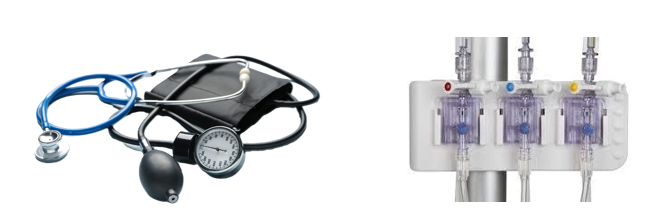
This clinical review addresses a common challenge in critical care and trauma settings: what to do when invasive arterial line pressures and noninvasive blood pressure cuff readings don’t match? The authors recommend that a mean arterial pressure difference of 10 mmHg or greater prompt nurses and other care providers to carefully evaluate both measurements before making treatment decisions. Importantly, invasive and non-invasive techniques are measuring two different things; one metric is not necessarily RIGHT while the other is WRONG. Common causes of inconsistent readings include equipment and setup issues—including an incorrect cuff size or an improperly leveled arterial line transducer—as well as patient factors such as severe vasoconstriction or stiff arteries. The article emphasizes the importance of integrating blood pressure data with bedside assessment findings, including mental status, skin perfusion, urine output, and other signs of end-organ perfusion. Fortunately, the authors provide a stepwise approach to help clinicians determine which reading is most reliable and when more advanced monitoring, such as central arterial access, may be appropriate to support safe patient care. Click the link to view the article or watch a short AI-generated article summary (4 min 52 sec).
|
|
|
|
Zamith N, Walker C, Scully T, Healy WJ, Zetola N. Should I Target the Blood Pressure from the Arterial Line or the Cuff? A Practical Approach for Dealing with Widely Discordant Measurements. J Clin Med. 2025;14(24)
|
|
|
|
Media of the Month
TRAUMACAST, from EAST
|
|
|
The Eastern Association for the Surgery of Trauma (EAST) offers Traumacast, a FREE series of audio interviews that cover a variety of topics related to the clinical care of injured, critically ill, or emergency general surgery patients. Click the link to visit the website, where you can listen now or download episodes to enjoy later. The Traumacast podcasts are also available on Apple Podcasts or Spotify.
|
|
|
|
|

|
|
|
Did You Know There are TWO kinds of Crepitus?
|
|
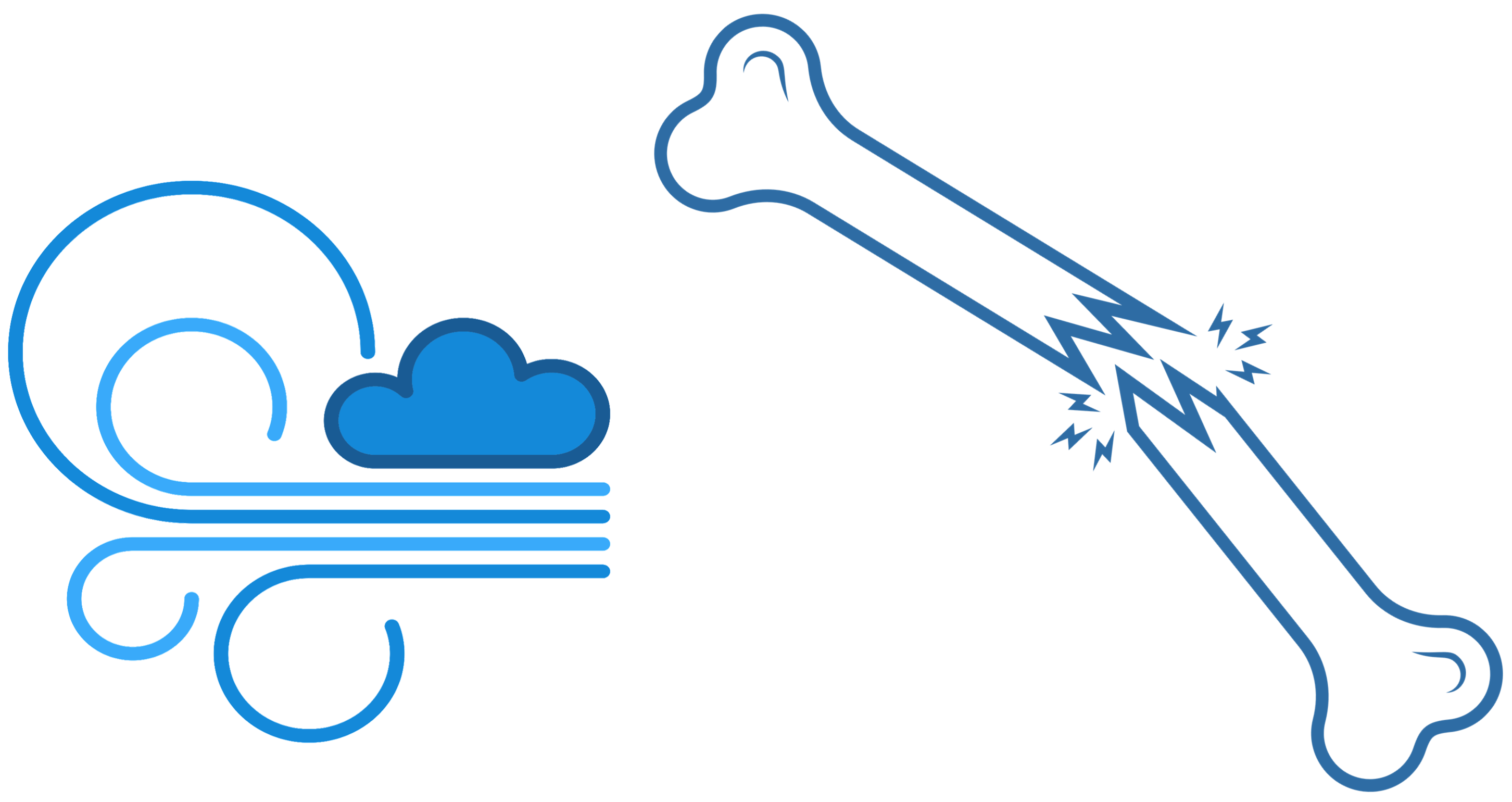
In trauma patient care, the term “crepitus” refers to two distinct phenomena: subcutaneous crepitus and bony crepitus. Both are abnormal “crackling” or “grating” sensations detected on palpation, but they arise from different causes and carry different clinical significance. | Feature | Subcutaneous (a.k.a SQ or Surgical) Crepitus | Bony Crepitus |
|---|
| Source | Air/gas trapped in subcutaneous tissue | Fractured bone ends rubbing together | | Feels like | A soft crackling, popping, or “Rice Krispies” sensation under the skin; kind of fun to palpate! | A hard grating, grinding, or crunching sensation; unpleasant to palpate | | Location | Just below the skin, in the soft tissue. Usually in the upper chest, neck, and face, but may appear in the abdomen and scrotum. | At a fracture site or an injured joint | | Cause | Air leaking into the subcutaneous muscles and fat from a tracheal, bronchial, esophageal, or pulmonary tear, in which air dissects along the fascial planes | Fracture fragments or arthritic joint surfaces rubbing together | | Significance | Subcutaneous air itself is rarely consequential, but it may indicate serious injury. | Injury significance depends on the severity and location of the fracture(s) | | Interventions | Identify the source of the air leak. SQ air is often associated with pneumothorax; ensure the patient has a functioning chest tube. SQ air will resolve spontaneously, but some studies suggest that time to reabsorption can be reduced with short-term 100% oxygen administration. In rare instances, the volume of SQ air in the neck and chest tissues can threaten ventilation. | Immobilization will greatly diminish the pain associated with bony fractures. Stabilize injured limbs with splints, casts, and internal or external fixation. Rib fractures are more challenging to stabilize. Surgical intervention may or may not be indicated. | | Patient/Family Concerns | Although usually benign and self-resolving, SQ air can be very distressing to patients and their family members. SQ air can significantly distort facial features and may even make it difficult for patients to open their eyes. Reassure all that the condition is temporary and causes no permanent cosmetic changes. | Fractured bones are very painful, especially when moved. Use an aggressive, multimodal approach to analgesia to obtain adequate pain control, especially for rib fracture patients. |
|
|
|
|
|

|
|
|
|
|
|
Follow Us
Want to join the trauma care conversation?
Follow Us on Facebook, Instagram, and X.
|

|
|
|
|
|

|
|
TCAR
Education Programs
tcarprograms.org
info@tcarprograms.org
Office: (503) 608-4900
International Toll-Free: +1 800-800-2015
|
|
|
|
Copyright © 2026 TCAR Education Programs. All rights reserved.
You are receiving this email because you opted in by purchasing or registering for a
course or subscribing to our newsletter on our website.
Want to change how you receive these emails?
You can
update
your preferences or
unsubscribe
|


