|
|

|
|
View in browser
|
Damage Control Resuscitation Goes Pediatric
08/05/2026
|
|
IT’S TRAUMA TUESDAY is
a Free Weekly Newsletter
Brought to you by
TCAR
Education Programs
|
|
For nurses and other clinicians
practicing anywhere
along the trauma care
spectrum
|
|
|
|
|
|
Take a quick test of your trauma care
knowledge
|

|

|

|
|
|
|
Article of the Week
Damage Control Resuscitation in Children
|

|
|
Damage control resuscitation has long been standard practice in adult trauma resuscitation, but less research has focused on injured children. This article reviews military and civilian advances in pediatric damage control resuscitation, including control of exsanguinating hemorrhage, recognition of pediatric signs of shock, and the early use of balanced blood product administration. Click the link to view the article or watch a short AI-generated article summary (4 min 33 sec).
|
|
|
|
Holtestaul T, Letton R, Gallagher ME. Tiny bodies, big battles: Damage Control resuscitation goes pediatric. Semin Pediatr Surg. 2026:151593.
|
|
|
|
Trauma Happenings
Bowel Sounds: Beneficial or Bogus?
|

|
|
Do you remember that nursing assessment textbook that advised listening for bowel sounds for 5 minutes in each quadrant? Yeah, like that was ever going to happen, especially with a critically ill trauma patient in a noisy room. In fact, what does the presence or absence of bowel sounds really tell us? Once again, The Trauma Pro comes to our rescue with a nice summary of the evidence (or lack thereof) behind our compulsion to auscultate abdomens.
|
|
|
|
|

|
|
|
Dakin’s Solution: What Goes Around, Comes Around
|
|
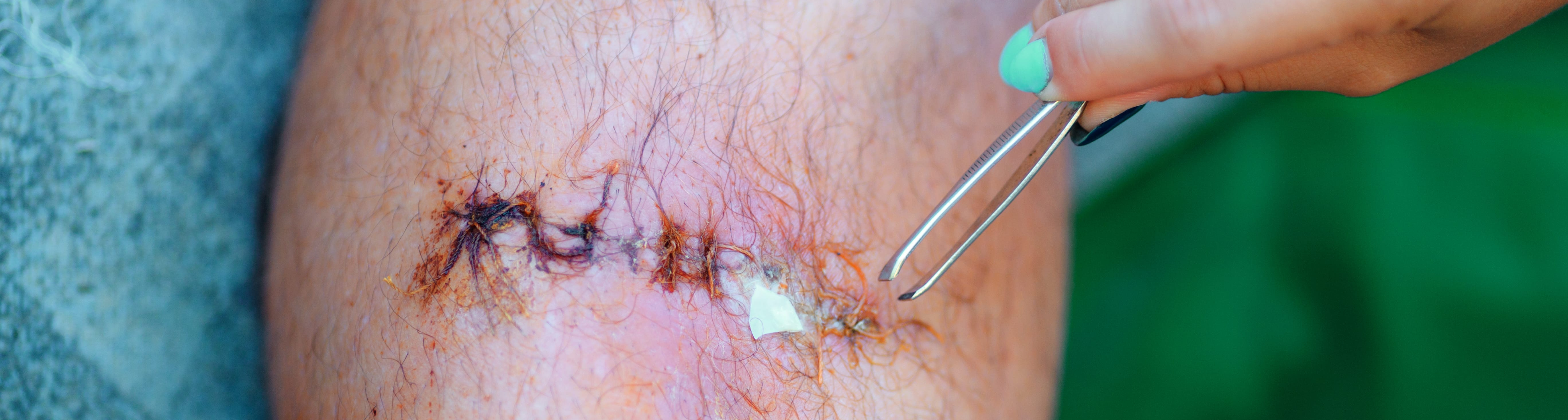
What’s the role of sodium hypochlorite (Dakin’s solution) in wound care practice today? Dakin’s is a dilute, buffered sodium hypochlorite (NaOCl) solution, essentially household bleach diluted to various strengths. Invented by Henry Dakin in 1915, this powerful antimicrobial solution was considered revolutionary in the years before antibiotics. But just as it kills bacteria, Dakin's can have a cytotoxic effect, destroying healthy and newly formed cells. Thus, the solution fell out of favor, except for certain serious infections, as wound-healing physiology was better understood and wound care shifted to non-toxic cleansers. However, Dakin’s solution is making a comeback for use in seriously infected wounds such as deep sternal infections, burns, gangrene, and skin grafts. Select the link below to see the new evidence for this old solution.
|
|
|
|
|

|
|
|
New Hope for SCI Patients
|
|
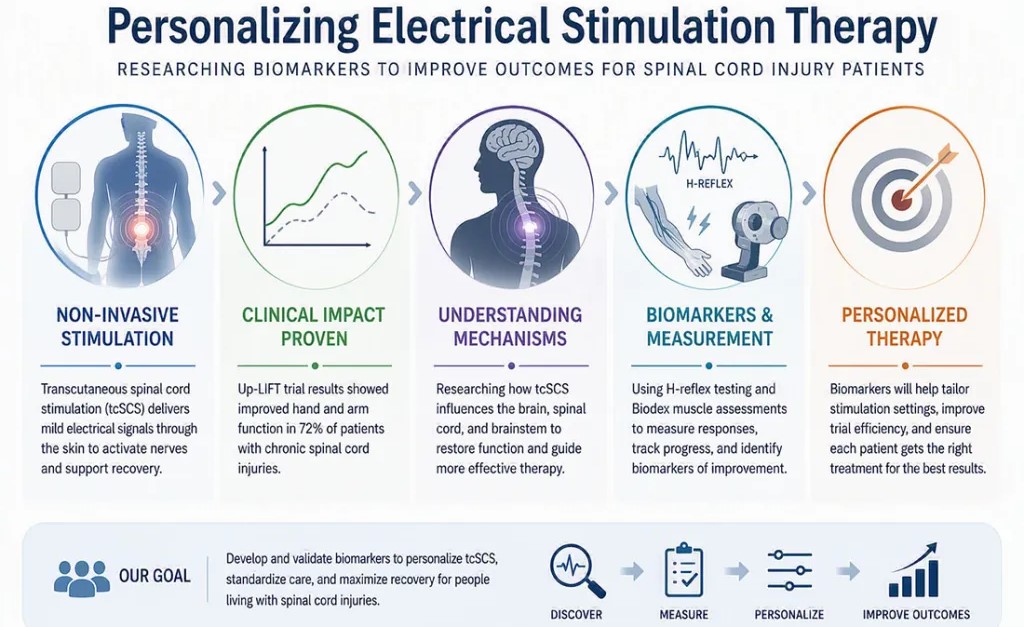
Despite decades of research and clinical trials, effective interventions for patients with spinal cord injuries remain extremely limited. Medications, surgeries, and physical therapy have been shown to be only minimally helpful once primary and secondary cord damage have occurred. However, Miami researchers have developed a non-invasive procedure that uses mild electrical signals to stimulate nerves while patients perform manual tasks. This approach showed improved hand and arm function in 72% of the study’s patients. Read more about this new approach to SCI by clicking the link below.
|
|
|
|
|

|
|
|
|
|
|
Follow Us
Want to join the trauma care conversation?
Follow Us on Facebook, Instagram, and X.
|

|
|
|
|
|

|
|
TCAR
Education Programs
tcarprograms.org
info@tcarprograms.org
Office: (503) 608-4900
International Toll-Free: +1 800-800-2015
|
|
|
|
Copyright © 2026 TCAR Education Programs. All rights reserved.
You are receiving this email because you opted in by purchasing or registering for a
course or subscribing to our newsletter on our website.
Want to change how you receive these emails?
You can
update
your preferences or
unsubscribe
|


